
Introduction
Most of the businesses think that digital marketing only means running ads and posting on Instagram and Facebook. But after spending money, they asked the same question every time.
“Why am I getting views, likes or clicks but no sales?”
The answer lies in not following a full funnel digital marketing strategy.
In this blog, I will explain why full funnel digital marketing matters and how it helps businesses generate consistent leads and sales and not just traffic.
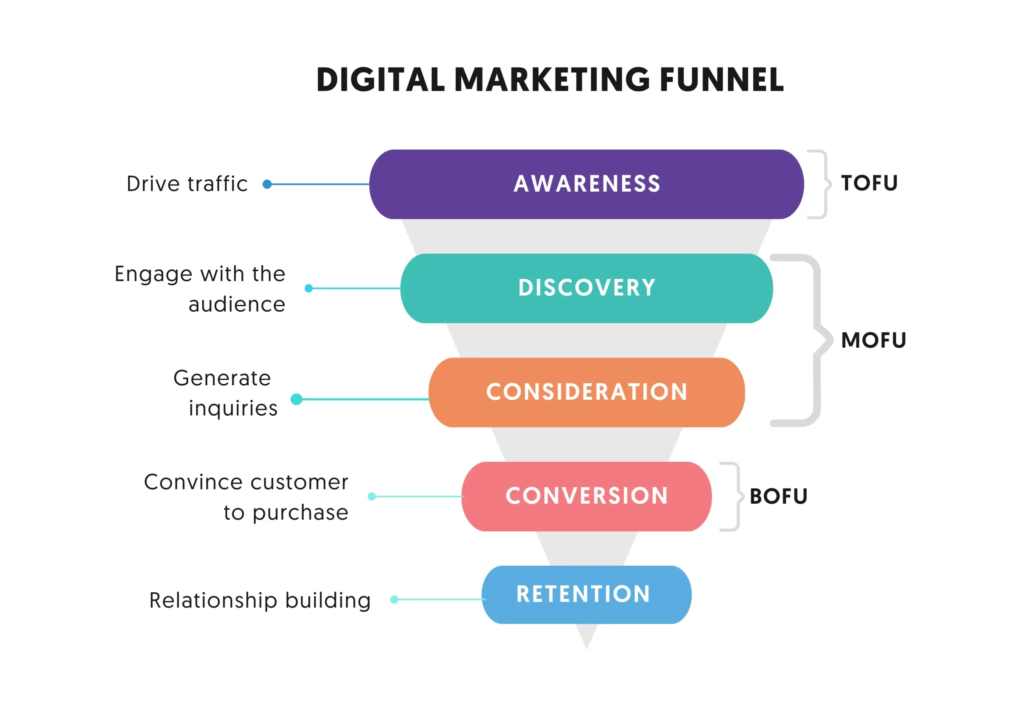
What is Full Funnel Digital Marketing?
A full funnel digital marketing is basically the entire customer journey. It starts from the moment when someone doesn’t even know your brand exists and ends when they become a loyal customer who recommends you to others from discovering your brand to becoming a loyal repeat buyer.
Understanding the Digital Marketing Funnel
Marketing funnel is divided in three stages:
- Top of the funnel (Awareness)
- Middle of the Funnel (Consideration)
- Bottom of the funnel (Conversion)
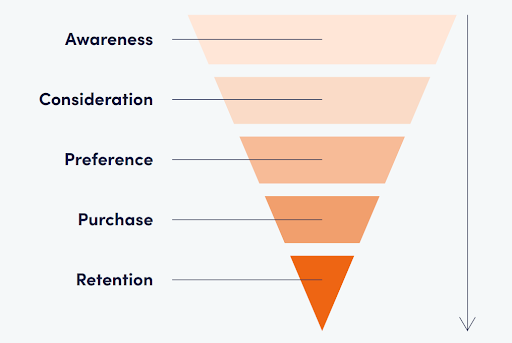
1. Top of the Funnel : Awareness Stage
In the Awareness stage, the goal is simple. Get discovered. Brands focus on high-reach content like Reels, short videos, influencers, SEO blogs, and paid ads. At this stage, people just learn that the brand exists. Success here is measured by reach and brand recall.
The common mistake businesses make is trying to sell immediately to a cold audience.
Best strategies for awareness
- Educational Instagram reels & carousels
- Blog posts (like this one)
- YouTube videos
- Meta Ads focused on reach or engagement
- Google Display or YouTube Ads
2. Middle of the Funnel : Consideration Stage
Once people know your brand, they enter the Consideration stage. Here, the audience begins exploring, comparing, researching. Brands build trust using testimonials, case studies, educational content, website blogs, and email nurturing. The goal is to build credibility and make the customer feel confident
Strategies for Consideration:
- Retargeting ads
- Case studies
- Lead magnets (free audits, guides, checklists)
- Email marketing
- Website landing pages
3. Bottom of the Funnel : Conversion Stage
In the Conversion stage, people are ready to buy but only if the process is smooth. Brands use landing pages, retargeting ads, discounts, strong CTAs, and social proof. The goal is to remove friction and make the purchase as easy as possible.
Here’s why full funnel marketing works better:
1. Better Lead Quality
When people move through the funnel, they already trust you—so leads are more serious.
2. Lower Cost Per Lead
Warm audiences convert cheaper than cold audiences.
3. Higher Conversion Rates
Educated customers don’t need convincing—they need clarity.
4. Long-Term Growth
You’re not dependent on viral content or one campaign.
Case Study
Here’s a small example. A skincare brand scaled from ₹5 lakh to ₹35 lakh per month using a full funnel. They used Reels and influencer seeding for awareness, retargeting ads for conversion, email flows for retention, and UGC for advocacy. As a result, their customer acquisition cost dropped by 40%, and repeat purchases increased by 60%. This is the power of a funnel
Full Funnel Digital Marketing vs Traditional Marketing
| Traditional Marketing | Full Funnel Marketing |
| Focuses only on selling | Focuses on customer journey |
| One-time campaigns | System-based approach |
| Pushy messaging | Value-driven messaging |
| Inconsistent results | Predictable growth |
Tools Used in Full Funnel Digital Marketing
Each funnel stage uses different tools.
For awareness — Meta Ads, Reels, SEO.
For consideration — blogs, email sequences.
For conversion — retargeting ads and landing pages.
For retention — tools like Klaviyo or WhatsApp automation.
And for advocacy — referral programs and UGC platforms.
These tools together make the funnel strong and profitable.
For more information, Visit at globusroots
Other LInks
What is Social Media Marketing?
Instagram : GlobusRoots Digital